

洞察力
获取最新资讯、专家分析及市场展望,抢先洞察行业动态。
新闻中心
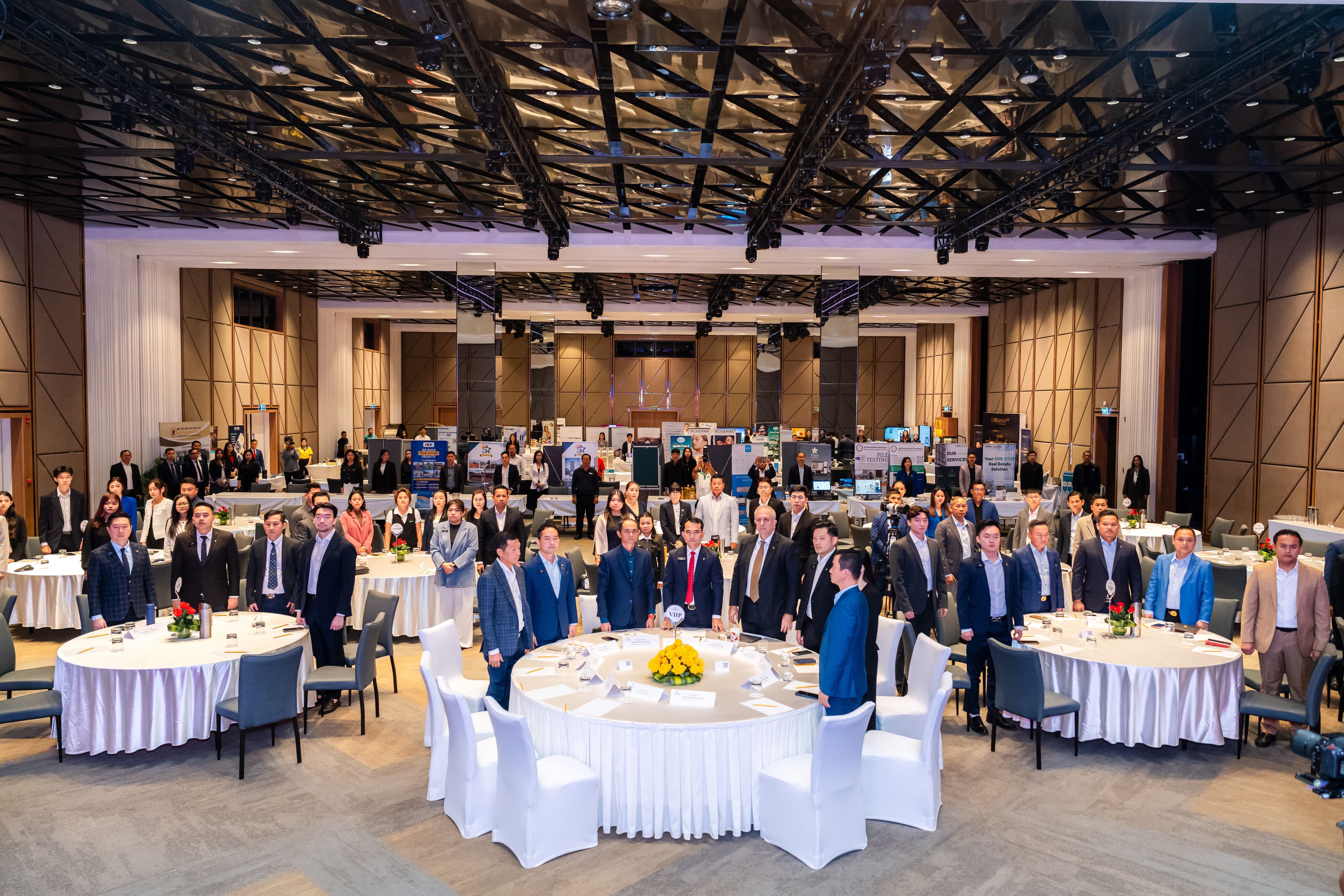
CorporateConnections柬埔寨年度博览会:建筑、商业服务、食品饮料及酒店业
富亚资产管理(柬埔寨)有限公司很荣幸参加了于2025年11月28日举行的‘2025年 CorporateConnections 柬埔寨年度博览会:建筑、商业服务、食品饮料及酒店业’。 我们很高兴设立展位,并与众多来访和参与我们活动的与会者进行交流。你们的兴趣和参与真正让我们出席此次活动变得充满意义。 请与我们保持联系,以获取更多即将到来的机会和活动信息!

让我们谈谈投资!关于集合投资计划的见解!
感谢所有在2025年11月21日加入我们爱喜利达证券行活动的人。你们的提问、热情和参与让关于集合投资计划的讨论既引人入胜又充满意义。我们感谢有机会分享实用的投资知识,并帮助社区建立财务信心。 我们很高兴能在即将到来的12月会议中与您继续这一学习之旅。敬请关注,以免错过下一场活动!

“提升证券业金融知识意识”培训课程(第二部分)
2025年11月12日下午,富亚资产管理(柬埔寨)有限公司的代表参加了由柬埔寨证券交易监管局(SERC)与韦斯莱学校(Santhormok 校区)合作举办的‘提升证券业金融知识意识’培训课程。 在此次培训期间,经富亚资产管理(柬埔寨)有限公司管理层批准,法律合规官 Taing Hoy 先生发表了关于‘毕业期间及毕业后的个人财务规划’的演讲,指导参与者如何有效地管理和规划其长期财务储蓄。 此次培训旨在提升学生的金融素养,鼓励他们养成良好的储蓄习惯,并践行明智的投资方式,帮助他们规划长期的财务稳定与保障。

“提升证券业金融知识意识”培训课程
2025年11月11日下午,富亚资产管理(柬埔寨)有限公司的代表参加了由柬埔寨证券交易监管局(SERC)与爱喜利达商学院(AUB)合作举办的‘提升证券业金融知识意识’培训课程。 在此次培训期间,经富亚资产管理(柬埔寨)有限公司管理层批准,副销售及市场经理 Sok Chantola 先生发表了关于‘毕业期间及毕业后的个人财务规划’的演讲,指导参与者如何有效地管理和规划其长期财务储蓄。 此次培训旨在提升大学生的金融素养,鼓励有效的储蓄习惯和明智的投资实践,帮助他们为长期的财务稳定制定计划。

2025年信托论坛
富亚资产管理(柬埔寨)有限公司首席执行官兼执行董事 Eric Loo 先生很荣幸参加了于2025年10月31日在金边索卡酒店举行的2025年信托论坛。此次活动以‘信托业务平台与法律合规’为主题,为讨论家族信托、柬埔寨信托行业的战略方向以及促进建立稳健透明的信托商业环境提供了重要平台。 通过出席此次会议,Eric 先生表示很感激能有机会与主要利益相关者接触,并为支持柬埔寨信托行业持续发展的对话做出贡献。
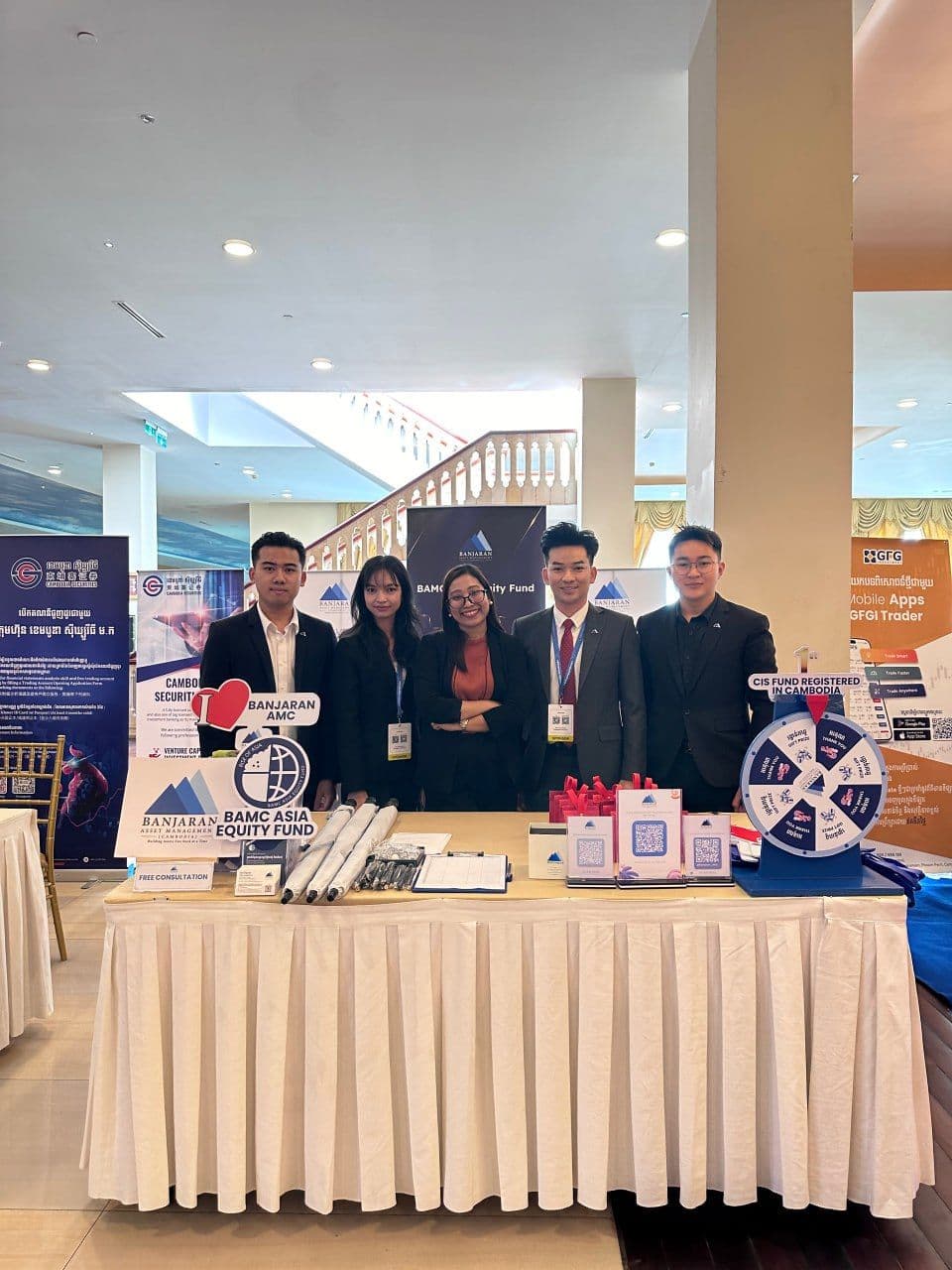
富亚参加2025年年度证券会议
富亚资产管理(柬埔寨)有限公司很荣幸能参加10月7日举行的2025年年度证券会议!我们很高兴在整个活动期间与参观我们展位的与会者进行交流。 副总理、财经部部长兼非银行金融服务管理局主席安蓬莫尼拉阁下/博士,以及柬埔寨王国政府代表、柬埔寨证券交易监管局(SERC)总干事 Sou Socheat 阁下出席了此次活动。

富亚资产管理(柬埔寨)因其对柬埔寨金融市场的贡献而获得表彰
在2025年10月7日于索卡酒店举行的2025年年度证券会议上富亚资产管理(柬埔寨)有限公司首席执行官兼执行董事 Eric Loo 先生荣获柬埔寨王国政府代表、SERC 总干事 Sou Socheat 阁下颁发的认可证书。此次盛会由 SERC 主办,汇聚了柬埔寨证券行业的领导者和专业人士,共同探讨可持续性、创新、包容性和韧性。我们真的很荣幸能成为2025年年度证券会议的赞助商之一! 在 2025 年 10 月 7 日 于 索卡酒店 举行的 2025 年年度证券会议 上富亚资产管理(柬埔寨)有限公司的首席执行官兼执行董事 Eric Loo 先生,在这一由 柬埔寨证券与交易监管机构(SERC) 主办的重要活动中,荣获 柬埔寨王国政府代表、SERC 总干事 Sou Socheat 阁下 颁发的表彰证书。 本次大会汇聚了柬埔寨证券领域的领导者与专业人士,共同探讨 可持续发展、创新、包容性与韧性 等关键议题。 富亚资产管理(柬埔寨)有限公司为能支持柬埔寨金融市场的持续增长和创新而感到自豪!

Aaron Ng 先生在2025年年度证券会议上倡导单位信托投资策略
富亚资产管理公司(新加坡)首席执行官 Aaron Ng 先生,于 2025 年 10 月 7 日 在 索卡酒店 举行的 2025 年年度证券会议 上,发表了题为 《在柬埔寨投资单位信托基金:多元化投资并降低风险》 的精彩演讲。该会议由 柬埔寨证券与交易监管机构(SERC) 主办。 会议由副总理、财经部部长兼非银行金融服务管理局主席安蓬莫尼拉(AUN Pornmoniroth)阁下/博士主持。 Aaron 先生的会议就柬埔寨资本市场的增长潜力以及单位信托基金在最小化风险和分散投资方面的关键作用提供了宝贵的观点。

富亚首席执行官 Eric Loo 先生参加 狮子信托20周年庆典
新加坡 – 2025年9月5日, 富亚资产管理(柬埔寨)有限公司受邀参加 狮子信托集团在新加坡举行的20周年庆典。我们的首席执行官兼执行董事 Eric 先生很荣幸能与创始人、合作伙伴和业界同仁一起庆祝这一非凡的里程碑。 狮子信托 20年的历程是信任、文化和坚持所产生影响力的有力证明。在一个通常关注短期利益的行业中,他们证明了真诚的关系和长期的管理才是建立持久成功的关键。这种承诺与 富亚资产管理公司在柬埔寨的使命产生了深刻共鸣。 狮子信托 所体现的原则正是我们努力追求的:信任是每一个伙伴关系的基石。协作文化孕育共同目标。通过一致性和可持续增长建立长久发展。 我们要向整个狮子信托团队致以最热烈的祝贺。他们的价值观和奉献精神是一种鼓舞,我们期待继续合作,共同为我们要服务的社群塑造一个稳定和繁荣的金融未来。”
市场展望

2026 March Market Outlook: Markets Under Pressure as Geopolitical Tensions Rise
The US-Israel war with Iran has created a delicate balancing act between investing for resilient growth and managing geopolitical volatility. While a "soft landing" remains the baseline for many advanced economies, the landscape has grown more complex following the late-February shocks. On interest rate watch, the US Fed is expected to maintain a "higher-for-longer" stance to counter inflationary pressures from rising energy cost, and to a lesser extent the new 15% global tariffs. Markets are pricing in a sustained "war premium" in energy. With Brent crude hovering near $100, any further escalation in the Middle East could reignite global supply-side inflation, which may lead to extended high-interest-rate environment and hence leading to a sharp global economic slowdown. In China, it has largely stayed away from the Middle East war though it has urged US and Israel to de-escalate and stop its aggression against its ally, Iran. China is amongst the most affected countries by the closure of the Strait of Hormuz, though Iran has allowed some Chinese-flagged oil tankers to transit through. Meanwhile, all eyes are on the implementation of the 15th Five-Year Plan. Success hinges on whether Beijing’s "New Quality Productive Forces" can offset the structural drag of its property sector. After the February technology sector correction and in this current environment of heightened volatility, we remain highly selective in the technology sector while diversifying across markets, maintaining our disciplined, bottom-up approach to portfolio construction.

2026 February Market Outlook: From U.S. Policy Turmoil to Mixed Signals Across Asia
The geopolitical scene in the US has been uncertain and volatile. The January jobs report exceeded expectations, though employment gains were largely concentrated in the healthcare sector. Kevin Warsh, known for his hawkish stance, has been nominated as the next Federal Reserve Chair, though this remains to be confirmed by the Senate. In the past week, the Supreme Court has ruled against President Trump’s International Emergency Economic Powers Act (“IEEPA”) tariffs. In return, the Trump administration acted quickly to impose 10% global tariffs, and immediately raised to 15% that will remain effective for 150 days under a separate trade law. These developments have contributed to a weakening US dollar, which is further exacerbated by rising US-Iran military tensions. Gold extended its rally and reached new highs, while silver surrendered most of its gains. Investors remain cautious amid sharp swings in these traditional safe haven assets. In Asia, market performance has been mixed. Indonesia experienced its largest stock crash since 1998, whereas South Korea and Taiwan delivered strong returns. Markets have shown heightened sensitivity to the external macro environment, resulting in intermittent pullbacks. Most recently, Chinese stocks rose as IEEPA tariffs were removed as China is set to face lower duties on shipments to the US. The Shanghai Composite and Hang Seng indexes also experienced recent declines, as is expected due to thin trading volumes during the Lunar New Year holiday season. Overall sentiment towards Asian equity markets amid the uncertain global political climate remains positive. Against this backdrop, we continue to diversify across different markets and sectors while remaining selective to stock selection, particularly within the technology sector. We continue to maintain a disciplined, bottom-up approach in portfolio construction.

2026 January Market Outlook: A Month That Redirected Market Attention
The New Year began with subdued volatility, but the calm was subsequently shattered by geopolitical events, notably US’s desire to take over Greenland for its strategic Arctic Circle argument. Demand for gold and silver skyrocketed with prices hitting new fresh highs. However, these high precious metal prices can create a range of challenges for precious metal-dependent industries like solar panel makers and EV producers which use silver as part of their components in their production. This may further impact the profitability of the solar panel makers which are already facing an oversupply situation. Asian markets started the year mixed but with some positive moves. Several key themes are driving the markets, central amongst them is a strong Asian IPO pipeline especially in Hong Kong and India. Other country-specific themes that are driving the markets include the deployment of funds from the Equity Market Development Programme in Singapore. The Korean Kospi has exceeded their President’s target, with technology companies fueling the rally on accelerated semiconductor demand. China surprised with an export outperformance with a record 2025 trade surplus, plus resurgent interests in AI-related tech names. While in Japan, performance is mixed where there are concerns with the volatility and soaring yields in the Japanese Government Bonds market. In 2025, US technology stocks dominated investor attention for much of the year, later turning to precious metals commodities. This period also underscored the importance of diversification and currency exposure beyond the US. With growth now amplifying across global markets, moderate softening of the US dollar may act as a drag on returns from US assets. Against this backdrop, we retain our emphasis on broadening exposure to other markets and sectors while being mindful of our stock selection, particularly in the technology sector. We continue to maintain a disciplined, bottom-up fundamental approach in portfolio construction.

2025 December Market Outlook: Protecting Value as Risks Reprice.
The hawkish rate cut signaled the Fed’s caution, even as tariff-related inflation pressures appeared to be fading. November’s jobs report suggested a subdued consumer environment. Unemployment had risen to its highest level since 2021, and retail sales remained unchanged despite Black Friday sales. Though the Trump administration has softened its language on China, recent developments highlight the delicate truce in their trade war. The U.S. has restricted China’s access to technology, such as permitting limited Nvidia chip exports, and formed an international partnership to counter China’s rare earth dominance. Across Asia, the picture remains mixed. The weaker U.S. dollar alleviates pressure on currency weakness in countries like Indonesia, South Korea, India, and the Philippines. The Bank of Japan have responded to the Fed’s rate cut by raising interest rates by a quarter point in a widely expected decision. In China, the economy continues to be supported by sustained capital inflows and the boom in exports while pivoting away from dependence on U.S. consumers. This was in spite of the property sector slump, missed industrial production expectations, weak retail sales, and unchanging unemployment rates. Measures to drive consumption appear ineffective, and rising trade frictions with countries beyond the U.S are weighing on sentiment. Investors are increasingly watchful for signs of an AI-driven bubble, including circular financing risks inflating valuations, where such dynamics could unwind abruptly. Against this backdrop, investors face a strategic dilemma - rein in AI exposure ahead of a potential bubble popping, or double down to capitalize on game-changing technology breakthroughs. In response, we are positioning portfolios defensively and broadening exposure to other sectors. This includes increasing allocations to commodities such as silver and gold, which can serve as stores of value, and consumer staples, that tends to offer more resilient demand. We continue to maintain a disciplined, bottom-up fundamental approach in portfolio construction.

2025 November Market Outlook: AI Bubble Alert
Mega-cap chip making company Nvidia Corp (“Nvidia”) became the first company to hit $5 trillion market capitalisation, likely due to U.S. President Trump’s comments ahead of the trade talk with Chinese President Xi Jinping at the end of October. The talk resulted in a consensus on cooperation in expanding agricultural trade and pausing the rare-earths licensing regime for a year. Mid-November saw the conclusion of the record U.S. government shutdown, which lasted 43 days, and put an end to unpaid furlough and other government operations. Consequently, the October jobs report was cancelled due to insufficient data. The ambiguity around unemployment rates raised uncertainty about the state of the U.S. economy. Compounding concerns were exacerbated by growing anxieties about stretched valuations of an “AI bubble”, which led to a selloff towards the end of November. Similarly, the Asian equity market, primarily due to technology companies in the AI landscape, slumped after an initial rally in the previous month’s end. In the semiconductor space, South Korean company Samsung Electronics Co., Ltd. reported an 80% surge in profit and SK Hynix Inc. continued to lead in chip memory. In China, different industries continue to diverge as technology companies grow while consumption and property remain a drag. In response, China’s policymakers are evaluating various measures to support the housing market. The MSCI Emerging Markets Index fell sharply, and losses were led by the tech heavy Korean Kospi index where the aforementioned Korean companies posted steep declines. Looking ahead, we remain cautious of the volatility in the markets. Due to concerns about inflated valuations for technology companies, the pullback observed in late November may have been a profit taking move or a price correction. Investors remain watchful for indicators of the widely discussed AI bubble, and signals for a potential burst. Against this landscape, we maintain a disciplined and balanced approach, grounded in bottom-up fundamental analysis in our portfolio construction.
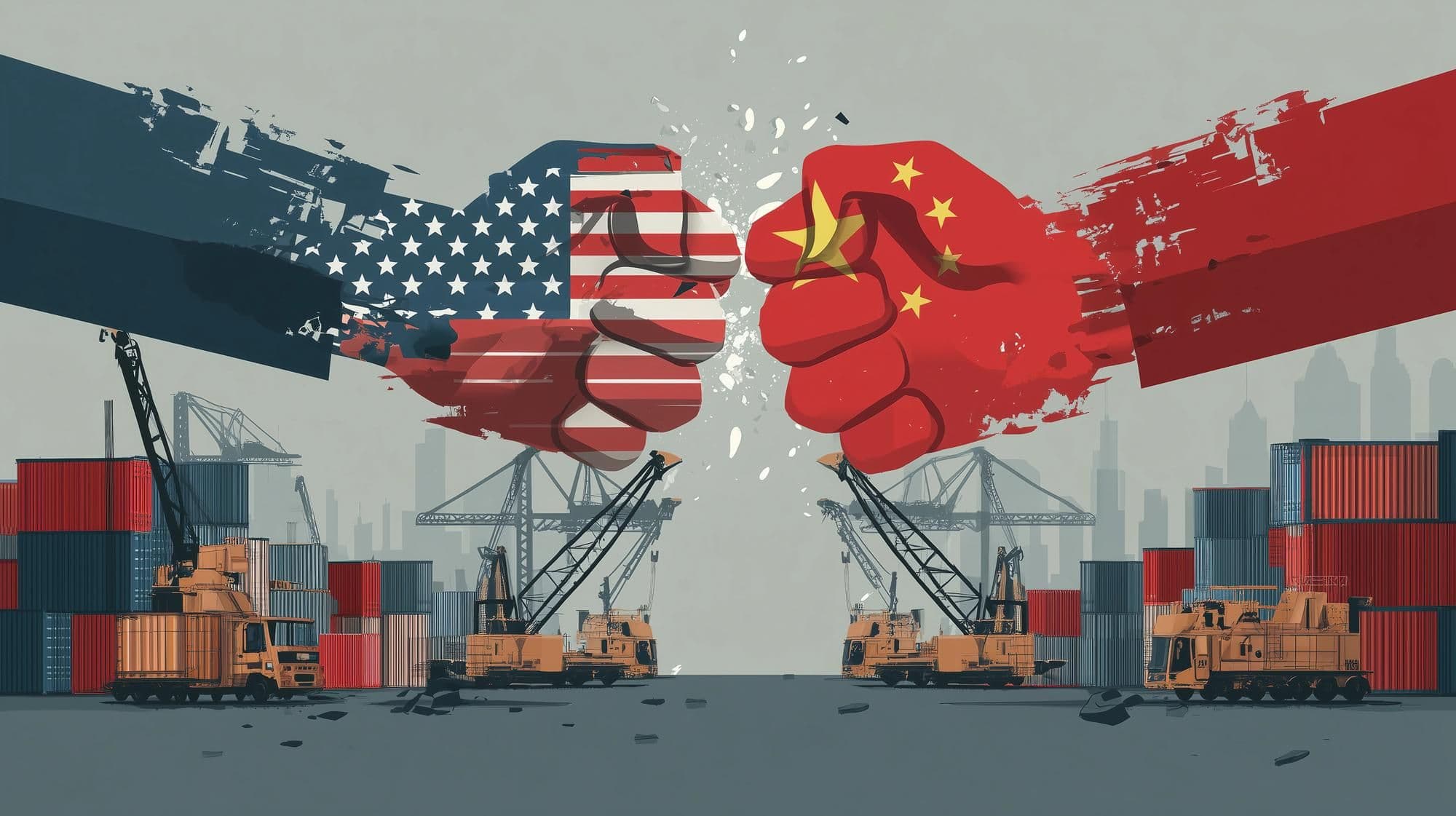
2025 October Market Outlook: Between Tariffs and Growth — Searching for Stability
Towards the end of September, in an effort to protect American jobs, the Trump administration made surprised changes to immigration visa laws that target foreign talent, particularly those working in the U.S. technology sector. Amongst the heaviest users of this targeted immigration visa scheme include Amazon.com Services LLC, Meta Platforms Inc, Apple Inc and Google LLC. Later that month, the U.S. Immigration Service issued guidance that included exceptions, thus stabilising concerns. However, the labour market outlook remains uncertain with the shutdown of the U.S. government, which began on October 1st. Consequently, data reports such as the official U.S. monthly jobs report and the labour-intensive Consumer Price Index report would likely be delayed amidst the impending mass firing and unpaid furlough of certain segments of federal workers. In China, September data showed low domestic demand, a continued property downturn and the weakest economic growth in a year. With the ongoing US-China trade war, Chinese regulators have urged against the use of Nvidia chips completely, stating that domestic chips are adequate in delivering comparable computing power. As such, Chinese domestic chipmakers have benefitted from efforts to become self-sufficient, and this move should serve as a catalyst to grow the technology sector. China tightened exports of rare earth where products that contain certain rare earths or traces of it sourced from China will now require an export license. With a 70% share of global supply, the supply crunch would be felt by the U.S. and Europe. In response, the U.S. imposed a 100% import surtax on Chinese goods effective November 1st, ahead of the 90-day tariff truce that was set to end on November 9th. Despite the trade war uncertainty, Chinese exports rebounded in September from a slump in August, beating estimates and increasing 8.3% year over year while imports grew 7.4%. The sweep of high tariffs from the U.S. have led China to seek imports from other avenues, such as Brazil and Argentina for soybean, which has caused farmers in the U.S. to scramble for buyers. On the other hand, aggressive price competition among manufacturers in China have led to what has been termed ‘Chinese dumping’, where low prices due to Chinese imports are alarming domestic producers in India, Africa and South-east Asia. Looking ahead, we remain cautiously optimistic of the global markets. In the U.S., businesses and households are concerned over trade tariffs, changes to immigration laws and the shutdown of the U.S. government. The structural imbalance in China represented by slow domestic growth and heavy reliance on export further weighs on global financial markets and investor confidence. Despite the uncertainty, there were reports of pockets of positive news. Alternative data in the U.S. such as restaurant bookings and theatre box office receipts reflects resilient consumer activity. The number of seated diners was up 9% from last year and domestic box office grossed 13% more than the previous month.